Eco-Friendly Family Camping: Solar Power, Less Waste and Leave No Trace
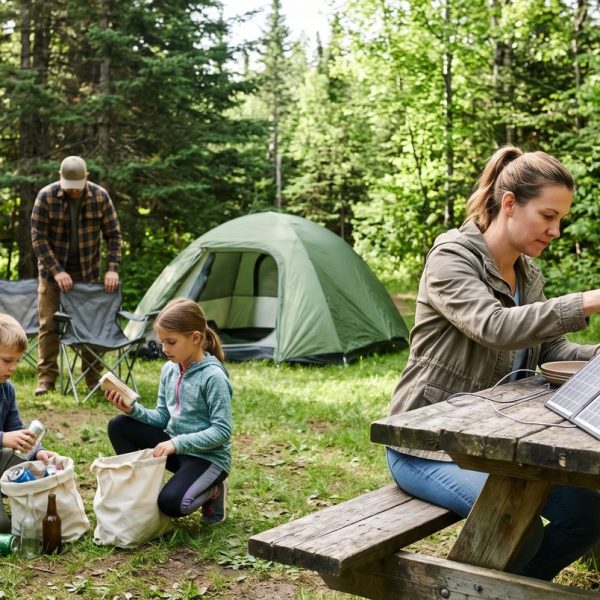
Camping brings families close to nature, so it makes sense to camp in a way that protects it. The good news is that eco-friendly camping is not complicated or expensive. Many green choices, like solar lights, reusable dishes and simple meals, also make a trip easier and cheaper. And they give children a hands-on lesson in sustainable living that sticks far better than any lecture.
Here is how to plan a greener family camping trip, from the gear you bring to the way you leave your campsite.
Power Your Campsite With the Sun
Many families bring more electronics camping than they used to: phones, cameras, headlamps, fans and lanterns. Instead of buying piles of disposable batteries, let the sun do the work.
- Solar lanterns: a solar lamp charges on the picnic table during the day and lights the tent at night. Kids love being in charge of "charging the sun light."
- Small solar panels: a foldable panel can top up a power bank for phones and headlamps on longer trips.
- Rechargeable batteries: charge them at home before you leave, and bring them back to recharge instead of throwing them away.
Turning off lights you do not need also has another benefit: darker campsites mean brighter stars. Talk with kids about light pollution and how it hides the night sky in towns and cities.
Cut Down on Waste
Camping trips can create a surprising amount of trash: plastic plates, wrappers, bottles and single-use cutlery. A few swaps make a big difference:
- Pack reusable plates, cups, cutlery and cloth napkins.
- Bring refillable water bottles and a large water jug instead of plastic bottles.
- Buy snacks in bulk and portion them into reusable containers at home.
- Use beeswax wraps or containers instead of plastic wrap and foil.
- Plan meals carefully so less food is wasted.
Give kids a job as the "waste team." They can sort recycling, check that nothing is left on the ground and count how many bags of trash the family made. Try to beat the number on the next trip.
Cook Simple, Low-Impact Meals
One-pot meals use less fuel, less water and fewer dishes. Think pasta, chili, curry or oatmeal. Use a camp stove rather than a big fire for most cooking, and keep campfires small, in existing fire rings, and only where allowed. Let fires burn down to ash and drown them completely with water before bed.
Wash dishes at least 200 feet from lakes and streams, using a tiny amount of biodegradable soap, and scatter the strained wash water. Pack out any food scraps, including peels and shells, since they do not belong to the local wildlife.
Teach the Seven Principles
The Leave No Trace principles are a simple guide to camping responsibly. You can turn them into kid-friendly rules:
- Plan ahead: know the rules of the place you visit.
- Stay on the trail: walk and camp on paths and durable ground.
- Pack it out: take home everything you bring.
- Leave what you find: rocks, flowers and shells stay where they are.
- Be careful with fire: use fire rings and keep fires small.
- Respect wildlife: watch from a distance and never feed animals.
- Be kind to others: keep noise down and share the space.
Choose Greener Gear Over Time
You do not need to replace everything at once. When it is time to buy something new, look for durable gear that can be repaired, made from recycled materials or bought second-hand. Borrowing and renting are also great options for items you only use once a year. Taking care of your tent and sleeping bags so they last for many seasons is one of the greenest choices of all.
Travel Smarter
For many trips, the biggest environmental impact is the drive. Choose campsites closer to home, share a car with another family or combine camping with a longer stay instead of several short trips. Some campgrounds can even be reached by train and bus with light gear.
A Simple Green Packing List
- Solar lantern and rechargeable headlamps
- Reusable plates, cups, cutlery and cloth napkins
- Large refillable water jug and a bottle for each person
- Reusable food containers and beeswax wraps
- Biodegradable soap and a small washing tub
- Two bags: one for trash and one for recycling
- A small bag for each child to collect litter on walks
Write the list on a card and keep it with your camping bins, so the green habits come along automatically on every trip.
Make It Fun for the Kids
The best way to teach sustainable living is to make it a game. Give kids a "green camper" checklist, let them earn a small reward for each task, and celebrate when the family leaves the site cleaner than they found it. A family-friendly Times Bay guide to family camping with kids recommends nature activities like bug exploring and nature art, which pair perfectly with a lesson on protecting the places you visit.
Small Steps, Big Impact
Eco-friendly camping is about many small choices: solar light instead of batteries, a reusable cup instead of a plastic one, a small fire instead of a big one. When children help make those choices, they learn that caring for the planet is something they can do every day, starting at their own campsite.