What Makes a Good Conference Interpreter
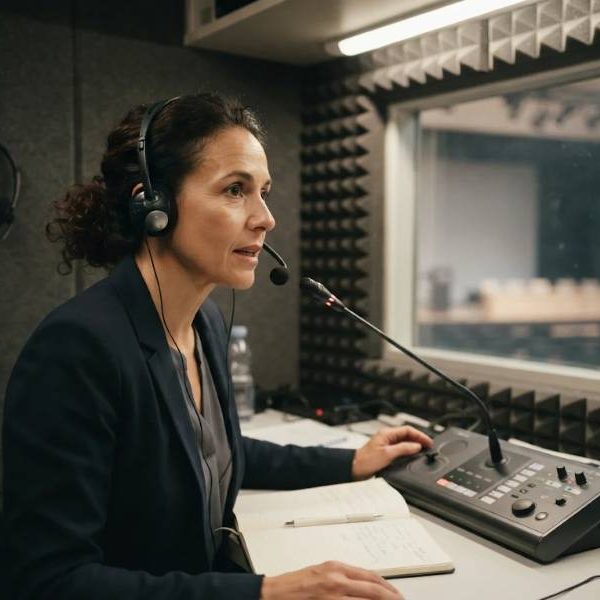
A conference interpreter works behind the scenes, yet the success of a whole event can depend on this one person. Speakers rely on them to carry ideas across languages in real time, and delegates rely on them to feel included. Here is what separates an excellent interpreter from an average one.
Deep command of both languages
Fluency is only the beginning. A strong interpreter understands regional expressions, formal registers and the cultural background of each speaker.
They also keep their native language in top shape, because the output must sound natural. Clear, idiomatic delivery is what listeners remember.
Fast and flexible thinking
Interpreters listen, analyze and speak almost at once. That demands a strong working memory and calm under pressure.
Training programs teach techniques such as segmenting, summarizing and anticipating. Over time these become habits that feel almost automatic.
Simultaneous and consecutive modes
In simultaneous interpreting the speaker keeps talking while the interpreter works from a booth. In consecutive mode the speaker pauses so the interpreter can deliver a short passage.
Large conferences usually need simultaneous teams, while meetings and site visits fit consecutive work. Choosing the right mode saves money and avoids confusion.
Preparation is half the job
Great interpreters study the agenda, the speakers and the technical vocabulary before the event. They build glossaries and read earlier reports on the subject.
Send them slides and speaker notes as early as possible. A prepared interpreter delivers a far more accurate version of difficult content.
Teamwork in the booth
Simultaneous interpreters work in pairs and switch every twenty to thirty minutes, because the mental load is intense. The partner supports with numbers, names and terms.
This teamwork is a sign of professionalism. Be wary of any offer that expects one person to cover a full day alone.
Professional standards and ethics
Interpreters must stay neutral and keep what they hear confidential. They do not add opinions or leave out uncomfortable details.
International associations such as AIIC, the association of conference interpreters publish codes of conduct and guidance for clients and professionals.
The right equipment matters
Soundproof booths, quality headsets and clear audio feeds decide whether interpretation can be understood. Poor sound makes even a brilliant interpreter ineffective.
Test the system before doors open and keep a technician on site. Small checks avoid large embarrassments.
Languages in demand
Arabic remains among the most requested languages at international meetings, covering diplomacy, energy and trade. Dialects vary widely, so clarify the audience before booking.
Organizers who also need written material can rely on Arabic translation services for agendas, handouts and reports in the same style.
Interpreters and translators are not the same
Interpreters handle spoken language, translators handle written text. Some professionals do both, but the skills and tools differ.
Immigration cases are a good example of the written side. Our article on translation for a UK visa explains what officials expect from translated documents.
How to brief your interpreter
Share the program, a list of names and titles, and any sensitive topics. Explain the style of the event, whether formal or relaxed.
Give them a short meeting with the speakers before the session. A few minutes of conversation helps with accents, speed and pronunciation.
Speaking tips for presenters
Speak at a steady pace, avoid long jokes that rely on wordplay and pause between ideas. Spell out acronyms and numbers.
Presenters who help the interpreter help themselves. The audience receives a clearer message, which is the whole point.
Feedback and follow up
After the event, ask delegates and speakers how the interpretation worked. Note any terms that caused problems for the next occasion.
Keep glossaries and recordings, where allowed, for future use. A continuing relationship with the same interpreters brings consistency and savings.
Booking tips
Reserve early, since the best interpreters in popular language pairs book out months in advance. Request references and confirm credentials.
Agree on fees, overtime and cancellation terms in writing. Clear conditions protect both sides and keep the focus on the event itself.
The human side of interpreting
Behind the technique stands a person who cares about connecting others. The best interpreters make themselves invisible, so that speakers and audiences feel they are talking directly.
When you notice no one talking about the interpretation at the end of an event, that is the highest compliment the profession can receive.
Continuing education for interpreters
Languages and subjects change constantly, so serious professionals keep studying. They follow the news in both languages, attend workshops and learn the vocabulary of new industries such as renewable energy and artificial intelligence.
Ask potential interpreters how they keep up to date. A thoughtful answer shows a person who treats the craft as a lifelong discipline.
Remote interpreting is here to stay
Video platforms allow interpreters to work from home studios or hubs. Costs fall and access widens, especially for smaller meetings.
Good remote interpreting still depends on a stable connection, a quiet room and quality headsets. Test everything with the speakers before the real session.
A final word on trust
Clients choose interpreters they trust, and trust is built from small acts such as arriving early, dressing appropriately and keeping every promise.